I’ll let you in on a little secret: traditional PR isn’t what it used to be.
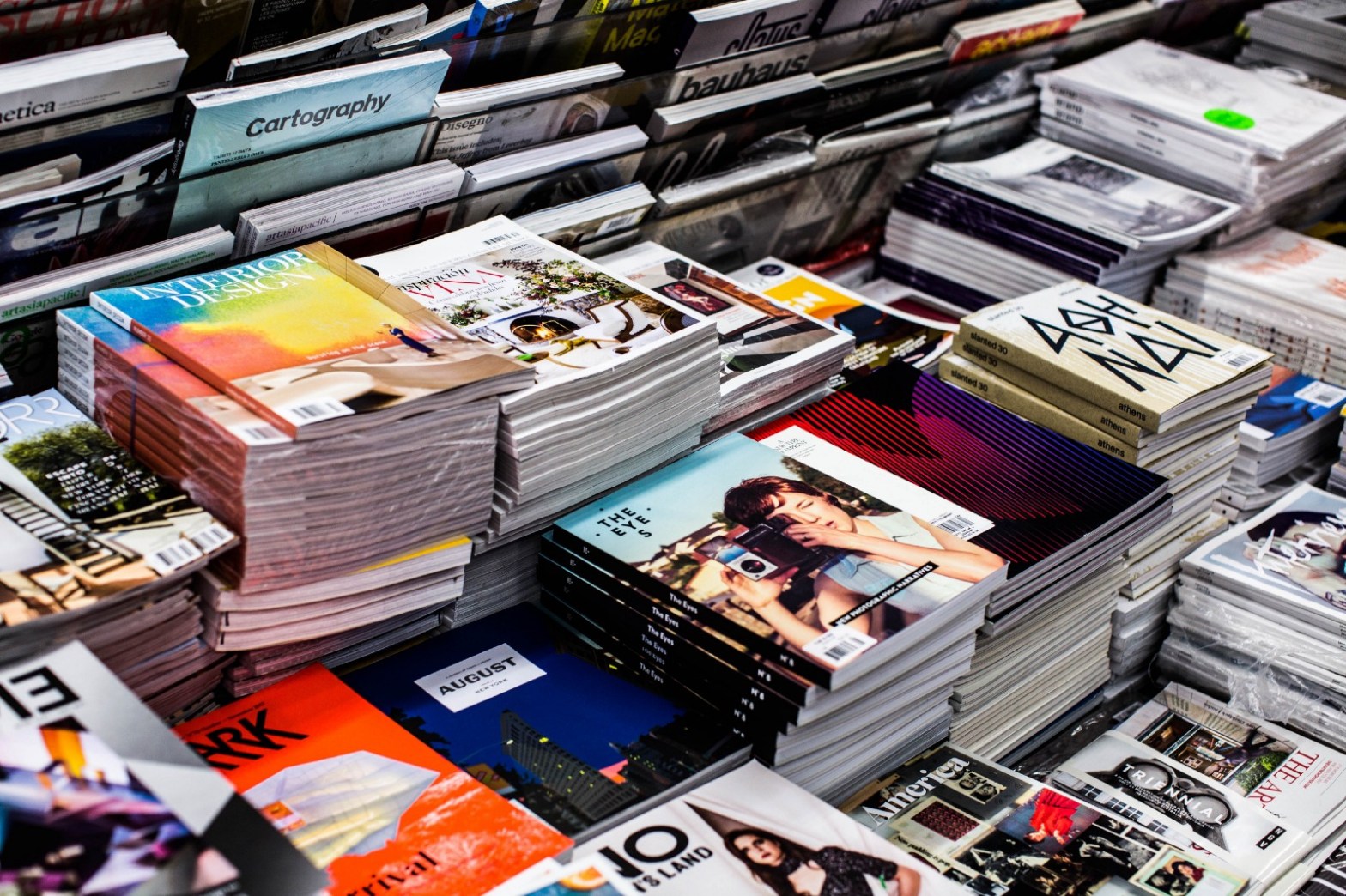
The tech revolution has disrupted the media industry and in turn, public relations. In 1994, weekday print circulation in the US was at a high of 60 million — in 2018, print and digital circulation combined was down to 35 million. Advertising dollars are down too, from $65B (that’s billion) in 2000 to less than $19B in 2016. Which means people are consuming content elsewhere.
Public relations starts with eyeballs — how many people can you get to look at, think about, and ultimately — spend money with you? Implementing a PR campaign involves targeting the media where your audience spends their time. And if it’s not The New York Times — while exciting, even a mention can render itself useless.
Thankfully, there’s more opportunity than ever to get your business easy — and measureable — media coverage. In 2020, three of the top nightly news broadcast programs have been averaging just under 30M viewers.Digital advertising surpassed traditional advertising in 2019, spending more than $129B. And reporters are hungry for a steady stream of content.
There’s no better time to spend your time and money on public relations. With an abundance of analytics programs and platforms designed to streamline and generate precise reports on your efforts, you can track both clicks — and public sentiment.
As a journalist and public relations professional, I consult with companies and brands on their media relations strategy. With a background in journalism, digital marketing, and public relations — I understand where PR has been and where it’s going. With media placements from Women’s Wear Daily, to Washington Post, to Forbes — I’m sharing my tactics for getting high quality media coverage.
Here are three simple things you can do to get media coverage now.
- Become an expert. What is your business? Are you a financial planner, a licensed professional therapist, a baker? Journalists are searching high and low for expert commentary on a wide range of topics. By positioning yourself as a go-to source in your field, you’ll not only land big media gets — I’m talking national news media — you’ll have reporters coming to youthe next time they’re writing a story. Want to get started? Check HARO (Help a Reporter Out) for timely queries anyone can respond to.
- Look out for trending topics. When you’re ready to start pitching, set up Google Alerts for targeted keywords in your industry, and stay up-to-date with the most current and reported-about trends in your field. Say you’re positioning yourself as a financial expert for millennials — pitch your own take on the Robinhood craze. Send a targeted email to journalists who cover your beat, and make sure to include a well thought-out quote on the topic.
- Start local. Sure, being featured on Oprah or Good Morning America is a PR dream, but starting with local news is the key to getting a few placements in the bag — and gaining the confidence and experience that comes with it. Often times national outlets find their stories through local news reporting, and many local journalists go on to report for bigger publications, meaning more opportunity.
By refining their expertise and starting with the basics, getting high-quality media coverage is something anyone can do.
Click here to receive updates from me!
 Kim Dahlgren